

A consumer biotech company.Starting with a nasal GLP-1.
We're building a nanoparticle platform for peptide medicines with technology from Columbia University.
Preclinical development
Getting peptide medicines to the brain
Peptides are chains of amino acids. Many are useful medicines, but getting them to the brain is difficult. We're developing biodegradable nanoparticles to carry them in a nasal formulation.
Scroll to follow the particle through the five stages below.
Semaglutide is the first medicine we're studying. It belongs to the GLP-1 family.
A biodegradable polymer particle holds the drug. We're studying how well it protects the drug. Drag to turn it over.
The formulation is intended for the upper part of the nose, near the olfactory lining involved in smell.
Our preclinical studies measure where the drug goes after nasal dosing, including how much reaches the brain.
The particle is designed to release the drug over time. We're testing how quickly it releases the drug.
-
1 / The medicine
Semaglutide is the first medicine we're studying. It belongs to the GLP-1 family.
-
2 / The carrier
A biodegradable polymer particle holds the drug. We're studying how well it protects the drug.
-
3 / The nasal route
The formulation is intended for the upper part of the nose, near the olfactory lining involved in smell.
-
4 / Measuring delivery
Our preclinical studies measure where the drug goes after nasal dosing, including how much reaches the brain.
Proposed route shown as a dashed line. Brain delivery remains under investigation. -
5 / Release
The particle is designed to release the drug over time. We're testing how quickly it releases the drug.
Nanoparticle releases GLP-1 cargo over time. Conceptual illustration. Brain delivery remains under investigation.
A company people can get to know.
Most people have little connection to the companies developing their medicines. We want people to understand what we're building, how we're testing it, and why it matters.
That also means thinking about everyday use: how a nasal device opens, feels in the hand, and fits into someone's day.
Our vision →
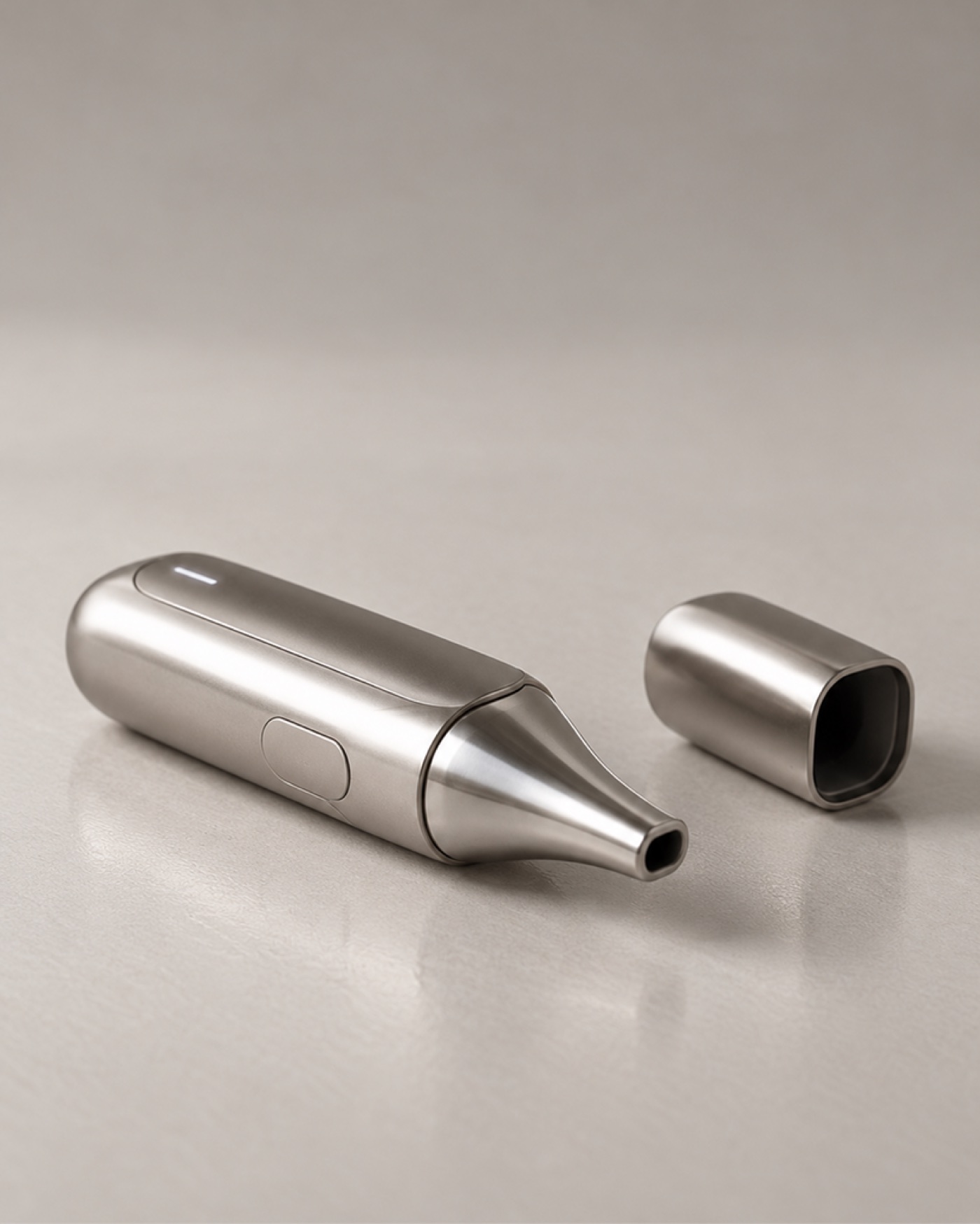
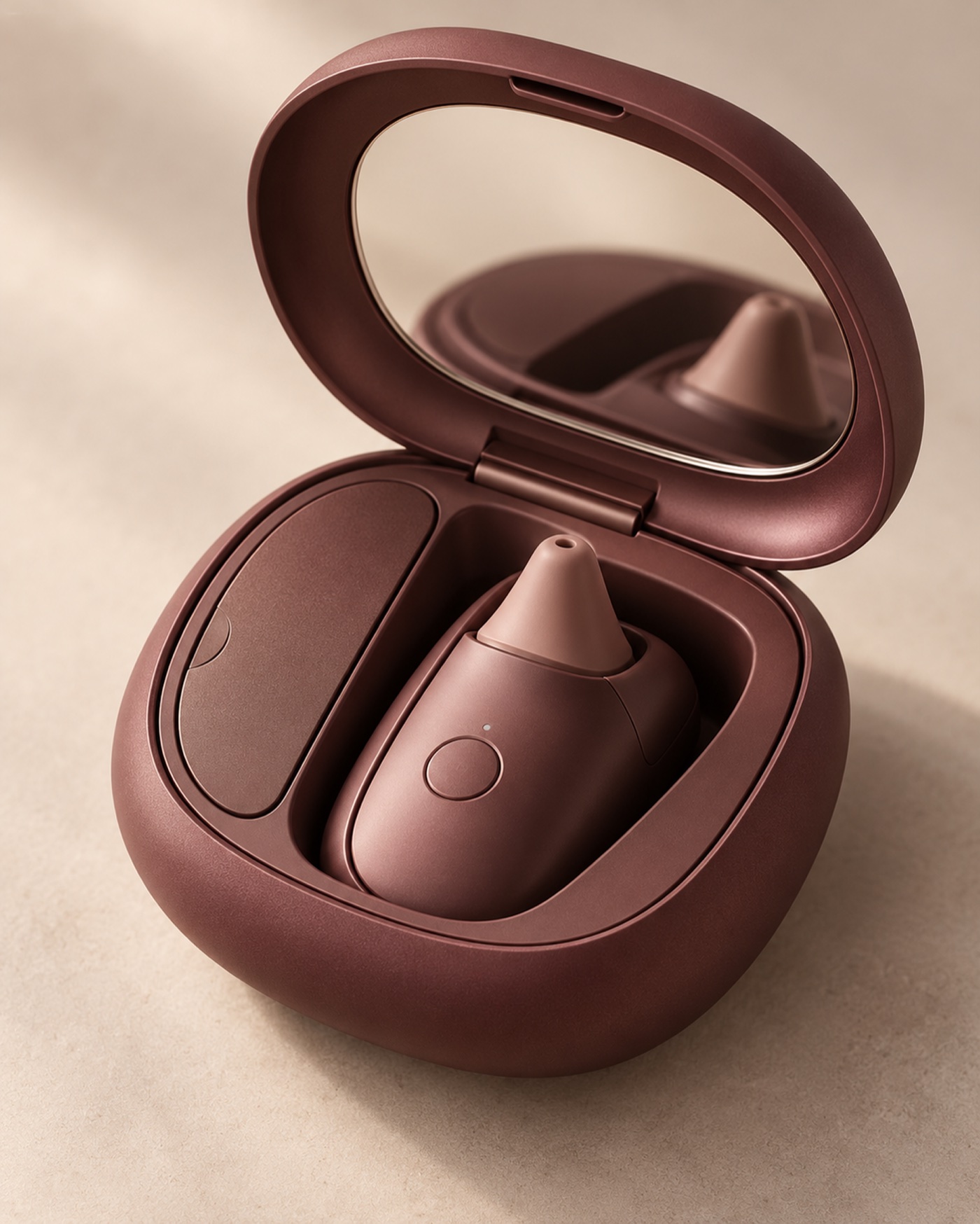
Early device concepts. The final design will depend on the formulation and its delivery requirements.
From academic research toward the clinic
Academic animal studies informed our approach. We're now studying our semaglutide formulation in rats, with non-human primate studies planned.
Explore the research →The people behind the work
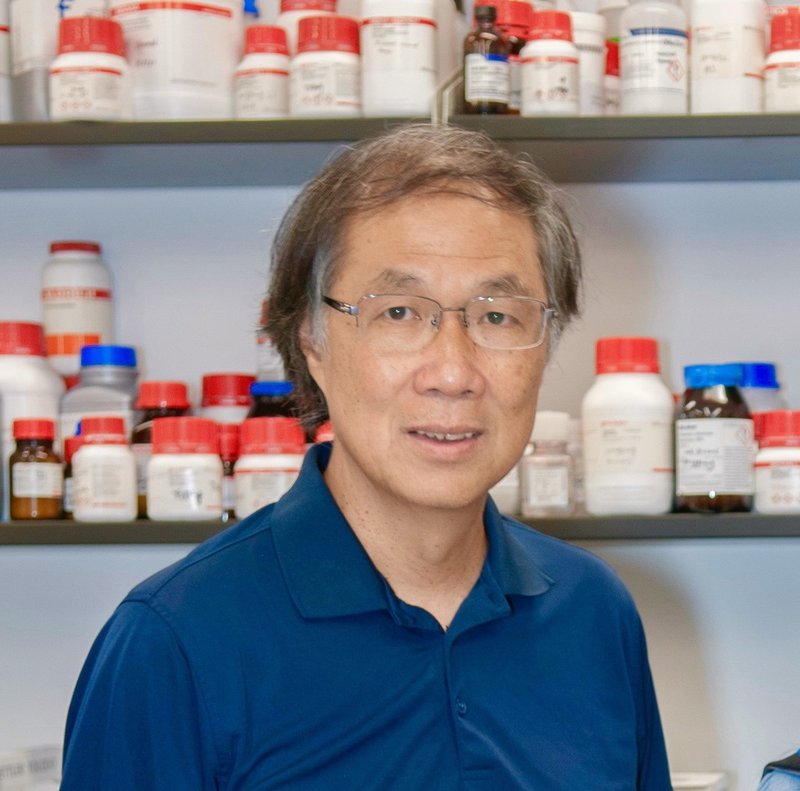
Our approach grew out of nanoparticle research in Kam Leong's lab at Columbia. Our team brings experience in drug delivery, nasal medicines, and manufacturing.
Meet the team →





 Robin Guo
 Kam Leong
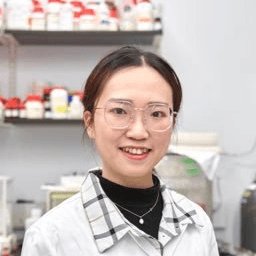 Huiyi Liang
 Stephen Shrewsbury
 Kelsey Satterly
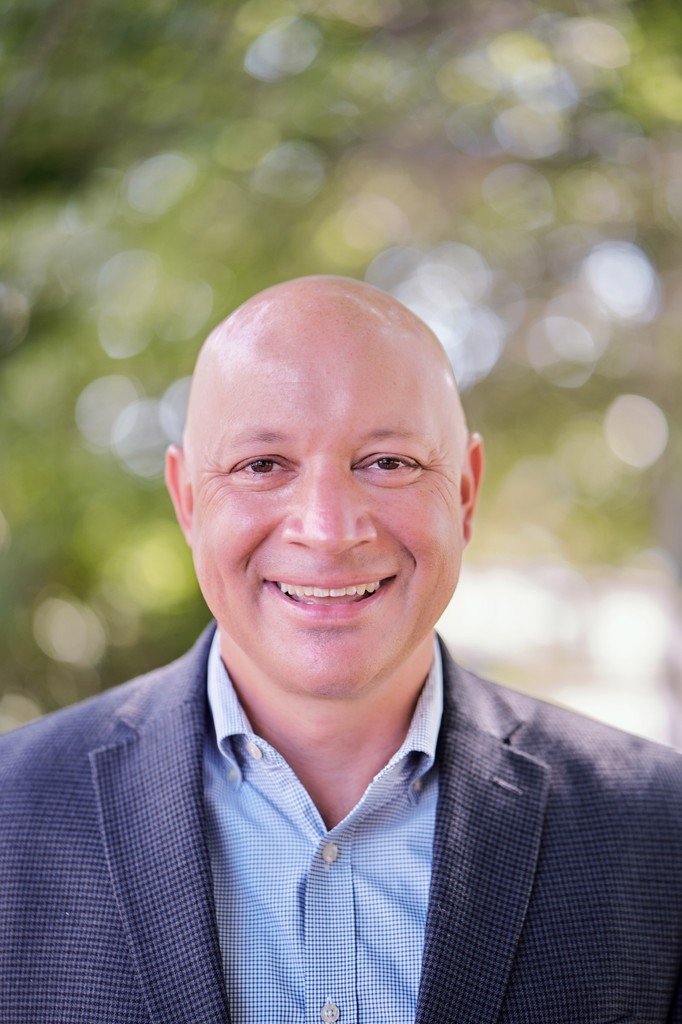 Ben Maynor
 Ed Guo
 Scott Harris
 Eli Weinberg
Follow our progress
Research updates and news from the team.
For research, partnerships or investor inquiries: hello@lion.bio