

Research
GLP-1 receptor agonists act on receptors expressed throughout the brain, but the densest population sits in the olfactory bulb, a region long overlooked in metabolic regulation. The olfactory epithelium provides a direct anatomical path from the nasal cavity into the brain, one that bypasses the blood-brain barrier. Our platform uses this path to deliver GLP-1 agonists to the olfactory bulb directly.
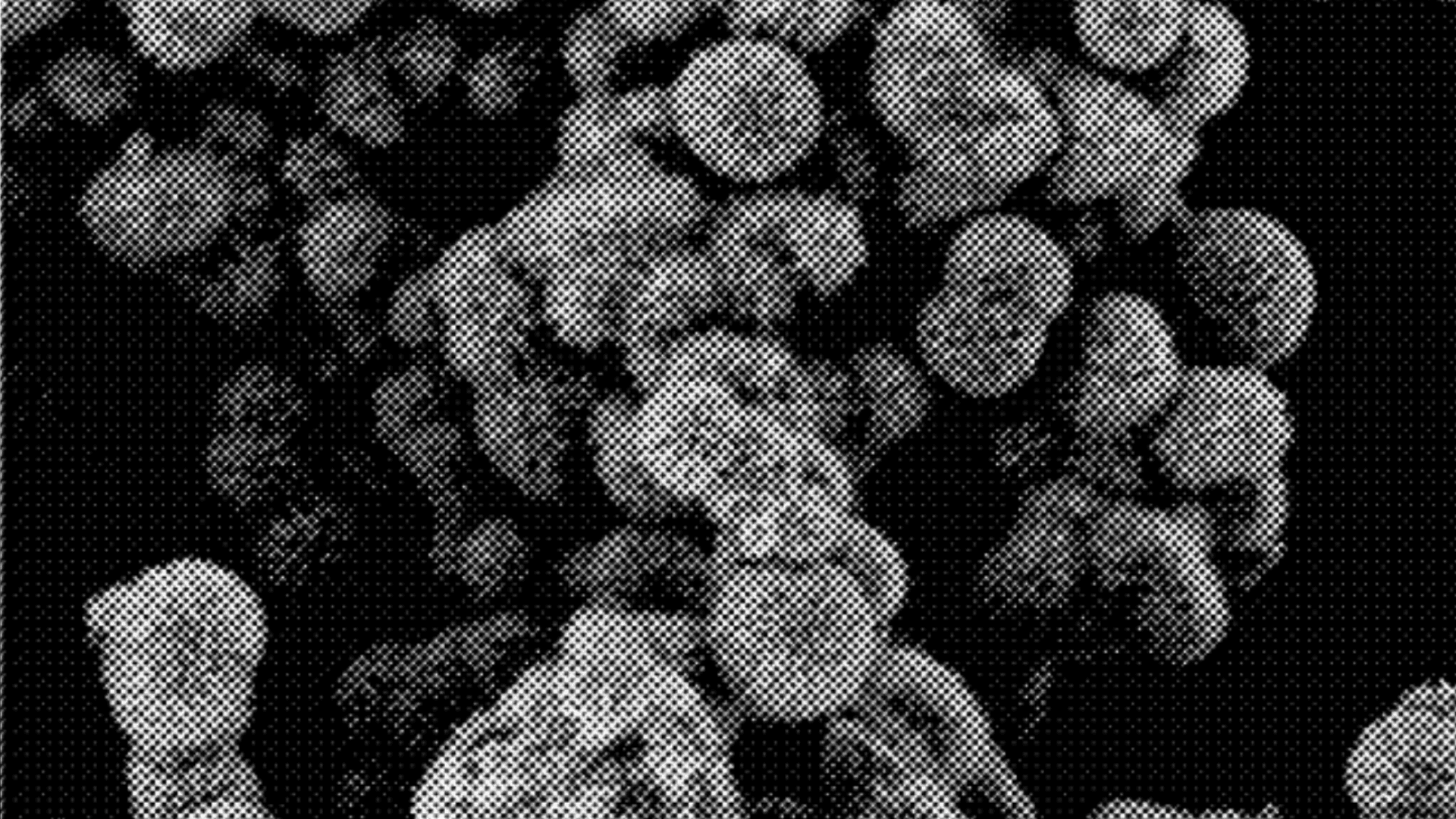
Peptides do not cross the nasal mucosa on their own. In our animal models, a free GLP-1 agonist given intranasally had no effect on body weight. We encapsulate the peptide in a well-defined, safe carrier, produced by a scalable process, that shields it, moves it across the epithelium, releases it in a sustained manner at the target, and then degrades into naturally occurring compounds.
In diet-induced obese animals, nose-to-brain GLP-1s reduced body weight comparably to subcutaneous injection, about 27% over four weeks (for tirzepatide), while plasma drug levels stayed near baseline. The drug concentrated in the brain within an hour and lowered blood glucose within thirty minutes, faster than injection. The same platform reproduced these effects with Semaglutide and Retatrutide, and across mice, rats, and minks. In minks, which can vomit, nose-to-brain semaglutide reduced retching, consistent with a lower gastrointestinal liability.
Central efficacy with minimal systemic exposure separates the therapeutic effect from the peripheral drug levels that drive most GLP-1 side effects. The same route gives direct access to the central nervous system, a foundation for indications beyond obesity. The platform is defined by the delivery system, not a single molecule, and the approach extends to other peptides and biologics which we can target over time for intranasal and other forms of delivery.
Drug and gene delivery
Nonviral Gene Editing
Nanotherapeutics manufacturing
Biomaterials for regenerative medicine
